Getting Started: Before You Pave
So, you're eyeing your driveway and thinking, "Enough is enough." Maybe it's got more cracks than a desert floor, or you're finally putting in that new circular drive you've always dreamed of. Laying down an asphalt surface, whether it's for a driveway, a private road, or even a basketball court, is a pretty big deal. And for homeowners right here in Oceanside, there are a few key things you absolutely need to sort out before anyone even thinks about bringing in the hot mix.
First things first: what's it for? Is it just going to see family cars, or are you expecting heavier trucks and RVs? Knowing how much weight it'll carry helps us figure out the right thickness and what kind of base material we should use. You certainly don't want to pave something only for it to fall apart in a couple of years because it wasn't built for the kind of traffic it gets.
Then there's drainage. This is super important. We definitely get those heavy rains sometimes, especially during the winter months. If your property doesn't drain well, you'll end up with standing water, and that's basically a death sentence for asphalt. It'll soften the base, cause potholes, and just generally create a huge mess. You really need to think about how water will flow off your new surface and exactly where it's going to go. Sometimes, this means adding a small swale or even a catch basin, particularly if you're in a low-lying area or have a lot of clay in your soil, which, let's be honest, just doesn't drain well.
Permits. Oh boy, don't forget about permits. For most residential paving jobs, especially if you're changing the size of the paved area or messing with drainage, you'll probably need one from the City of Oceanside. Skipping this step can land you with fines and force you to tear out work you just paid good money for. It's a hassle, I know, but it's part of doing things the right way.
Now, what can you actually do yourself? Honestly, not much when it comes to the actual paving. Laying asphalt isn't a DIY kind of gig. It demands specialized equipment, material that's literally hot, and a crew that truly knows their stuff. But you can tackle a good chunk of the prep work if you're handy. Clearing the area, ripping out old concrete or asphalt, even some of the initial grading if you're comfortable renting heavy equipment. Just make sure you know what you're doing, because a poorly prepared base will absolutely ruin even the best paving job.
The Paving Process: What to Expect
Once you've got your plans, your permits, and a solid contractor (like us at Oceanside Precision Asphalt, if I might brag a little), that's when the real work kicks off. Here's a quick run-through of what you'll see happening:
- Excavation and Grading: They'll dig out the old stuff, or just level the ground if it's a brand-new installation. Getting the right slope for drainage is absolutely critical here.
- Base Layer: This is the backbone of your new surface. Usually, it's compacted aggregate – basically, crushed rock. This layer gives strength and helps with drainage. It needs to be super compact and really stable.
- Binder Layer (sometimes): For really heavy-duty driveways or commercial lots, we might lay down a binder course. This is a coarser asphalt mix that goes in before the final surface.
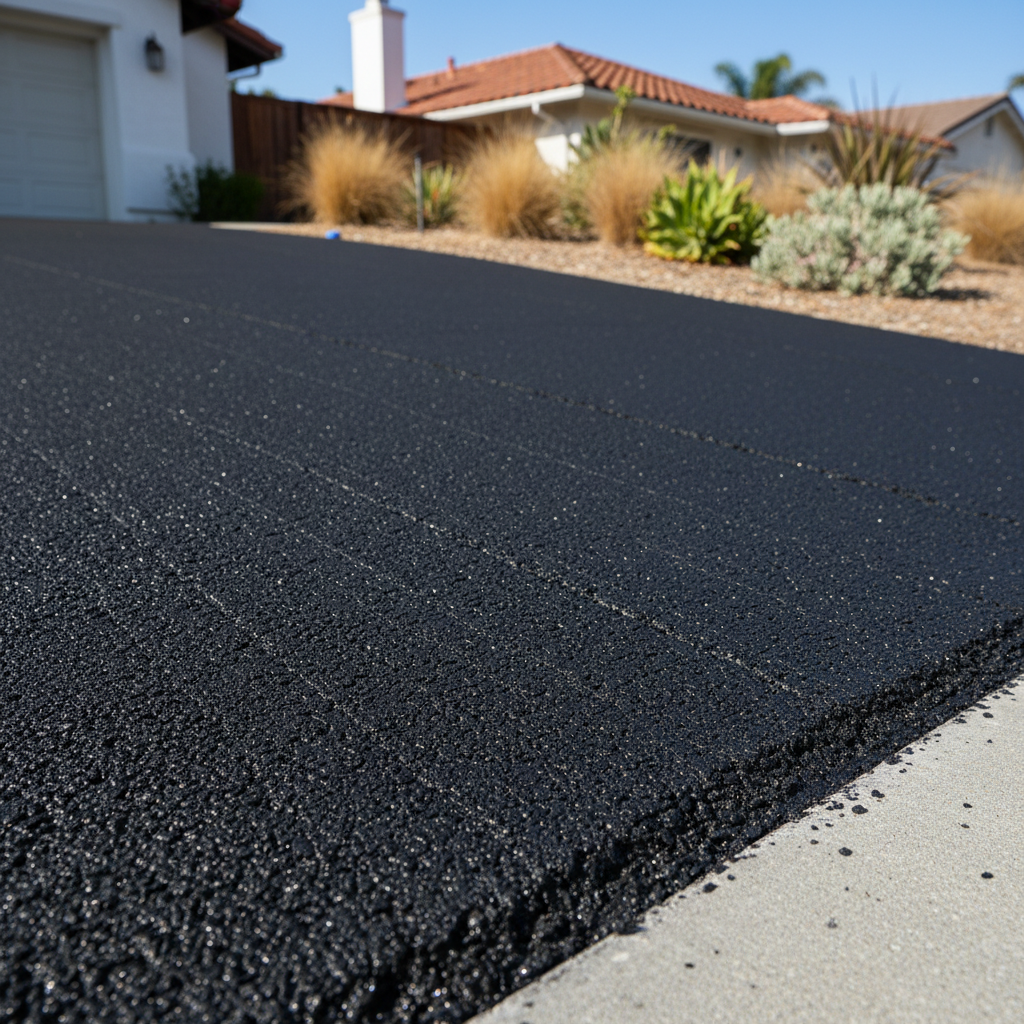
- Asphalt Application: This is the hot stuff, literally. It comes out of a paver machine, typically around 300 degrees Fahrenheit. It's spread out evenly and then compacted with those big, heavy rollers. This is where the magic happens, transforming that loose mix into a solid, durable surface.
- Compaction: Rollers go over it multiple times to get the right density. This is crucial for both durability and that smooth finish everyone wants.
During this stage, you'll want to keep your distance. Hot asphalt is no joke, and those machines are seriously heavy. Keep pets and kids well away from the work zone. It's usually a pretty quick process once they start laying the asphalt, but it's intense, believe me.
After the Pave: Care and Maintenance
Okay, the new asphalt is down, it looks fantastic, and you're itching to drive on it. Hold your horses! You can usually walk on it within a few hours, but it really needs time to cure. For vehicle traffic, we're typically talking 24-72 hours, depending on the weather and the specific mix. Don't turn your wheels sharply in one spot for the first few weeks, especially on hot days. That fresh asphalt is still a little pliable, and you can easily leave tire scuff marks.
For the first six months to a year, try to avoid parking heavy vehicles in the exact same spot all the time. Distribute the weight a bit. Also, be super careful with things that can drip oil or gas; these can soften and stain the asphalt pretty quickly. Clean up any spills right away.
Long-term, regular cleaning helps a lot. Sweep off debris, especially leaves and dirt that can hold moisture. And then there's sealcoating. I've talked about sealcoating before, but it's worth bringing up again here. It's like sunscreen for your driveway, protecting against UV rays, water penetration, and it really helps extend the life of your asphalt. Typically, you'll want to wait 6-12 months after a new pave before applying the first sealcoat. This gives the asphalt time to fully cure and release its oils.
Cracks will show up eventually; it's just a fact of life with asphalt, especially with our coastal weather cycles here in Oceanside. When they do appear, get them filled. Don't just let them sit and grow. Water gets in, freezes (rarely here, but it can happen in winter, right?), expands, and makes the crack worse. Or it just softens the base. Small cracks are cheap to fix; big potholes, not so much.
Paving your home's asphalt is an investment, plain and simple. Doing it right from the start, really understanding the process, and then taking good care of it afterward, will save you a ton of headaches and money down the road. If you've got questions, or you're ready to get a quote, just give us a call. We're always happy to talk asphalt.