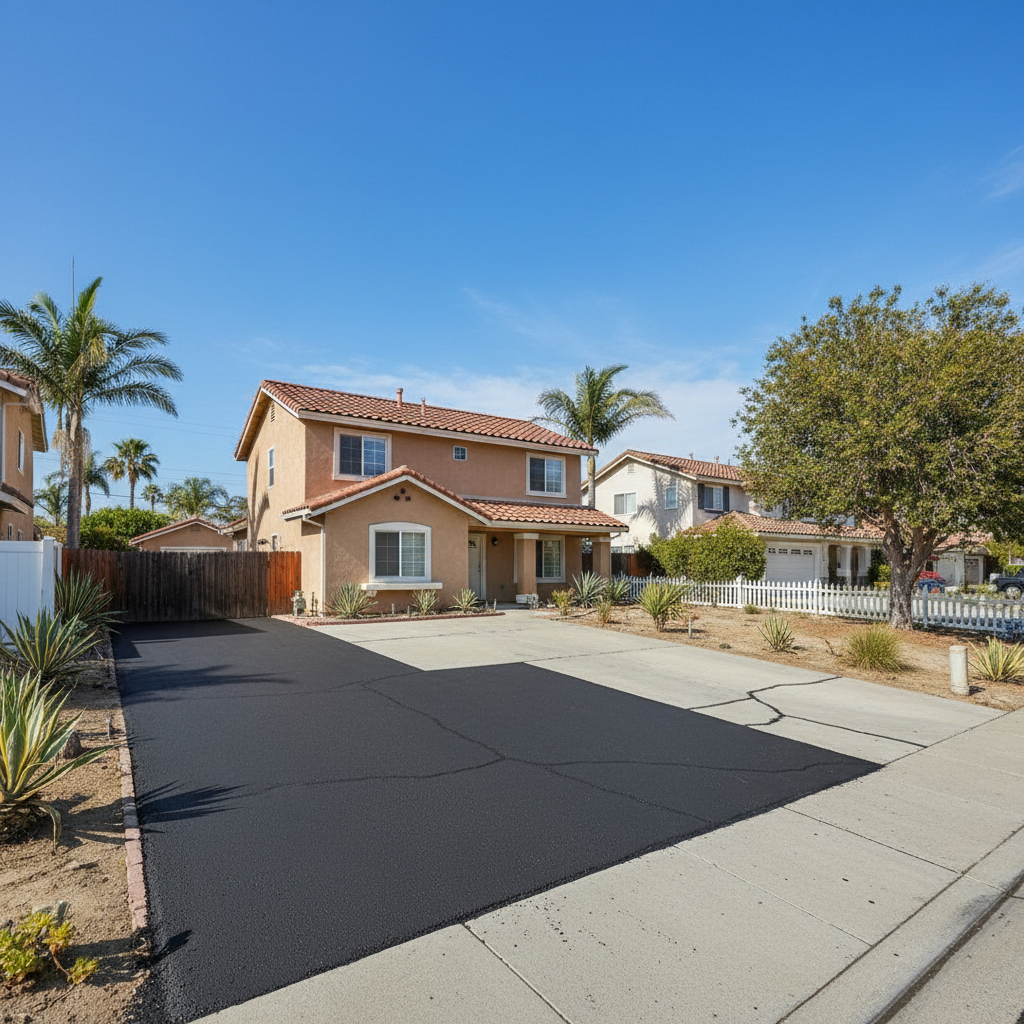
Nobody likes a pothole. They're annoying, they can damage your car, and frankly, they just make your property look neglected. Here in Oceanside, whether it's your driveway, a parking lot, or a private road, asphalt patching is a common need. But it's not as simple as just filling a hole. There's a right way and a wrong way to do it, and local conditions play a much bigger role than you might think.
Why Do Potholes Pop Up Around Here Anyway?
You might wonder why asphalt fails. It's usually a combination of things. Water is the biggest culprit. When water seeps into cracks in your asphalt, especially after a good rain, it gets under the surface. Then, with our temperature swings – even mild ones – that water freezes and expands, or just softens the base layer. Traffic driving over it then causes the asphalt to break apart and a pothole forms. Our coastal climate, with its fog and occasional heavy downpours, means water intrusion is a constant battle.
Another factor is the soil. Around parts of Oceanside, especially closer to the coast or in older neighborhoods like Loma Alta, you can find a mix of sandy or clay soils. These can be less stable than other types, and if the sub-base wasn't properly prepared when the asphalt was first laid down, you're going to see more movement and cracking over time. That's why a good patch isn't just about the top layer; it's about understanding what's underneath.
Common Patching Jobs We See in Oceanside
We handle all sorts of patching jobs for homeowners and businesses. Here are a few common scenarios:
- Driveway Repairs: This is probably the most frequent. Cracks and potholes on residential driveways are often caused by heavy vehicle traffic, tree roots, or just age. We see a lot of older driveways in areas like Fire Mountain that are starting to show their wear and tear.
- Utility Cuts: Ever notice a perfectly square patch in the middle of a road or parking lot? That's usually where a utility company dug up the asphalt to access pipes or cables. They'll do a temporary patch, but a proper, lasting repair is crucial to prevent future problems.
- Parking Lot Damage: Commercial properties, especially those with high traffic like the shopping centers near the 5 freeway, take a beating. Heavy trucks, constant turning, and oil spills can degrade asphalt quickly, leading to extensive cracking and potholes that need immediate attention for safety and aesthetics.
- Drainage Issues: Sometimes, a low spot in the asphalt collects water, leading to accelerated deterioration. Patching these areas often involves not just filling the hole, but also addressing the underlying drainage problem to prevent it from happening again.
The Oceanside Precision Asphalt Approach to Patching
When you call us for a patching job, we don't just show up with a bucket of cold patch. That stuff is fine for a super temporary fix, but it's not a long-term solution. A proper patch needs to be done right, and that means a few key steps:
- Assessment: First, we figure out why the asphalt failed. Is it just surface damage, or is there a deeper issue with the base? This determines the best repair method.
- Preparation: We cut out the damaged section in a neat, square or rectangular shape. This creates clean edges for the new asphalt to bond to. Then we clean out all debris.
- Base Repair (if needed): If the sub-base is compromised, we'll address that first. Compacting the base properly is critical for the patch to last.
- Tack Coat: We apply a sticky liquid asphalt called a tack coat to the edges and base. This acts like glue, ensuring the new asphalt adheres properly to the old.
- Hot Mix Asphalt: We use hot mix asphalt, which is far superior to cold patch for durability. It's laid down and then compacted thoroughly. Proper compaction is key to preventing water intrusion and ensuring a smooth, long-lasting repair.
- Sealing (optional but recommended): For bigger patches or if the surrounding asphalt is also aging, a sealcoat over the entire area can protect your investment and make the patch blend in better.
Doing it this way means your patch won't just pop out next year. It'll stand up to our local traffic and weather, and you won't have to think about it again for a long time. That's the difference local expertise makes – we understand the specific challenges of paving and patching right here in Oceanside.