Alright, let's talk slurry coating. I get a lot of calls from homeowners around Oceanside, from the folks up in the hills near Camp Pendleton to those closer to the beach, all asking pretty similar things about this stuff. It's a common maintenance step for asphalt, but there's a lot of confusion out there. So, I figured I'd put together a straightforward FAQ based on what I hear most often. No fancy marketing speak, just honest answers from someone who's been doing this for years.
What exactly IS slurry coating, anyway?
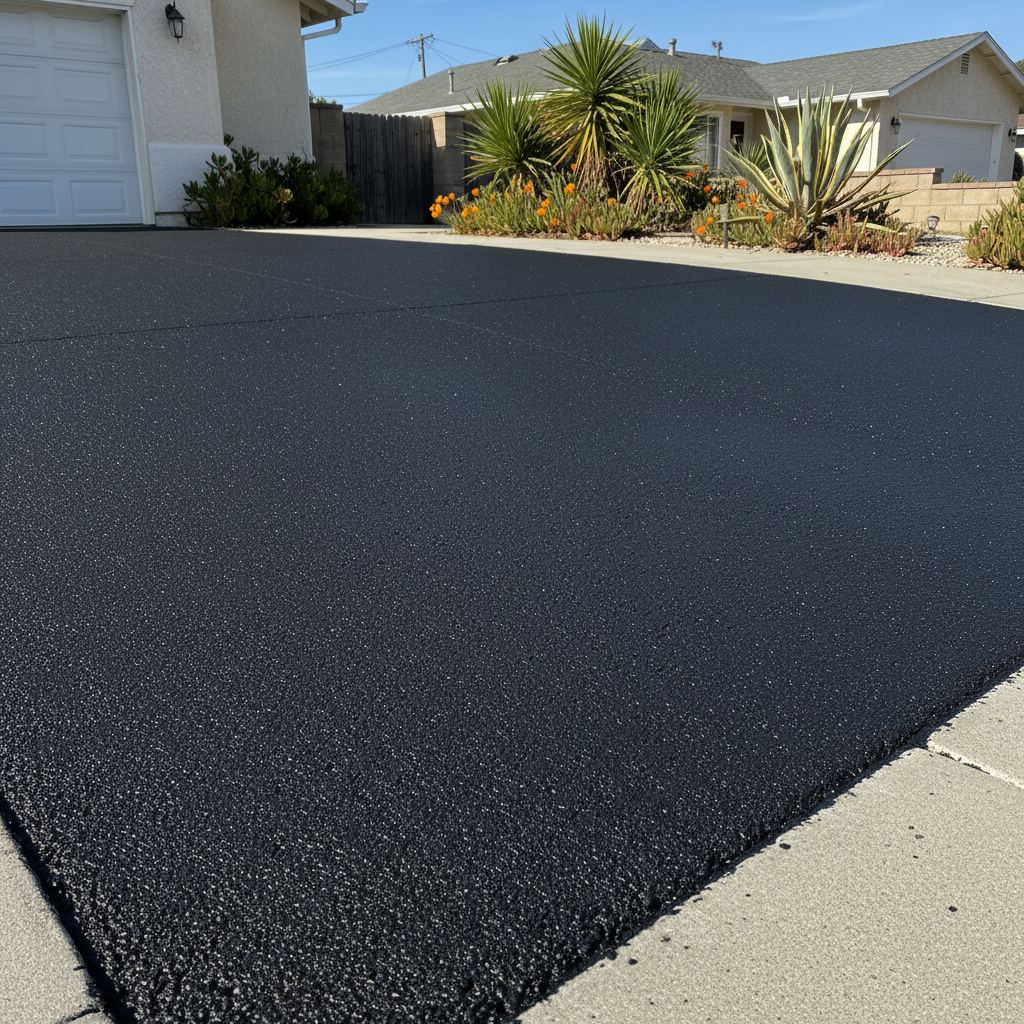
Think of slurry coating as a protective, sacrificial layer for your asphalt pavement. It's a mix of asphalt emulsion (which is asphalt suspended in water), fine aggregates (like sand or very small crushed rock), and some chemical additives. We mix it all up, and then we apply it as a thin, liquid layer over your existing asphalt. It's not just paint; it's designed to bond with your pavement and cure into a durable surface. What it does is fill in those tiny surface voids, seal small cracks, and give your driveway a fresh, black appearance. It's a preventative measure, like sunscreen for your asphalt, protecting it from the sun, rain, and traffic wear.
How long does a slurry coat actually last here in Oceanside?
That's a big one, and it depends on a few things. Generally, you can expect a good quality slurry coat to last anywhere from three to seven years. In Oceanside, we've got that strong California sun, which is tough on asphalt, but we also don't get extreme freezes and thaws like other parts of the country. So, UV exposure is a big factor here. Other things that affect longevity are the quality of the original asphalt, how well it was prepped before the slurry was applied, the amount of traffic it sees, and even how steep your driveway is. A north-facing driveway that gets less direct sun might last longer than a south-facing one. We always recommend re-applying every 3-5 years for optimal protection, especially if you want to keep your asphalt in top shape and avoid more expensive repairs down the line. It's an investment that pays off.
Can slurry coating fix big cracks or potholes?
Absolutely not. And anyone who tells you it can is trying to pull a fast one. Slurry coating is a surface treatment. It's great for sealing off tiny hairline cracks and preventing new ones from forming, but it has no structural integrity. If you've got cracks wider than, say, a quarter-inch, or any kind of pothole or significant depression, those need to be repaired *before* we even think about slurry coating. We're talking crack filling with hot rubberized sealant, or patching with new asphalt. Putting slurry over big cracks is like putting a band-aid on a broken bone – it just won't hold, and you'll be wasting your money. We always inspect the pavement thoroughly first to make sure it's a good candidate for slurry. If it's not, we'll tell you what needs to be done first.
When's the best time of year to get this done in Oceanside?
We're pretty lucky here in Oceanside because our weather is generally mild, which gives us a longer window than most places. But even here, timing matters. You need warm, dry weather. The ideal temperature for applying slurry is usually above 50°F and rising, and it needs to stay that way for at least 24-48 hours after application for proper curing. That means we typically aim for spring, summer, and early fall. We try to avoid the cooler, damper winter months, especially if there's any chance of rain. Rain during or shortly after application can really mess up the cure and lead to premature failure. So, if you call us in December, we'll probably advise you to wait until March or April. It's all about getting the best possible bond and longevity for your investment.
How long do I need to stay off my driveway after it's been coated?
This is crucial, and it's where a lot of people get impatient. Typically, you'll need to keep all vehicles off the freshly coated surface for at least 24 to 48 hours. Sometimes even longer if it's a cooler day or if the humidity is high. The slurry needs time to fully cure and harden. Walking on it after a few hours is usually fine, but driving on it too soon can leave tire marks, scuff the surface, and even pull up the fresh coating, ruining all the hard work. I know it's an inconvenience, especially if you only have one driveway, but trust me, it's worth the wait. We'll give you a specific timeframe based on the conditions on the day of application. Just plan ahead for where you'll park your car for a couple of days.
Is there anything I need to do to prepare my driveway before you arrive?
Yep, there are a few things you can do to help us out and ensure the best results. First, give your driveway a good, thorough cleaning. Sweep off any loose dirt, leaves, and debris. If you have oil stains, try to clean those up as best you can with a degreaser and a stiff brush. We'll do some final cleaning, but getting the heavy stuff off helps. Second, trim back any overhanging bushes or branches that might get in the way. Third, make sure any sprinklers won't hit the driveway for at least 24 hours before and after the application. And finally, clear the area of anything you don't want to get coated – planters, basketball hoops, kids' toys, that sort of thing. The cleaner and clearer the surface, the better the slurry will adhere and the smoother the finish will be. It just makes the whole process more efficient for everyone involved at Oceanside Precision Asphalt.
Will slurry coating make my driveway slippery?
When it's first applied and still wet, yes, it will be very slippery, just like any wet surface. That's why we emphasize staying off it until it's fully cured. Once it's cured, a properly applied slurry coat shouldn't be excessively slippery. The fine aggregates in the mix actually provide a bit of texture, which helps with traction. However, any smooth, sealed surface can be a little slicker than unsealed asphalt, especially when wet. It's something to be aware of, but it's generally not a major concern for most residential driveways. If you have a very steep driveway, we might discuss options or just make sure you're extra cautious during wet conditions. But for the vast majority of Oceanside homes, it's a non-issue once it's dry.